
Introduction 🐾
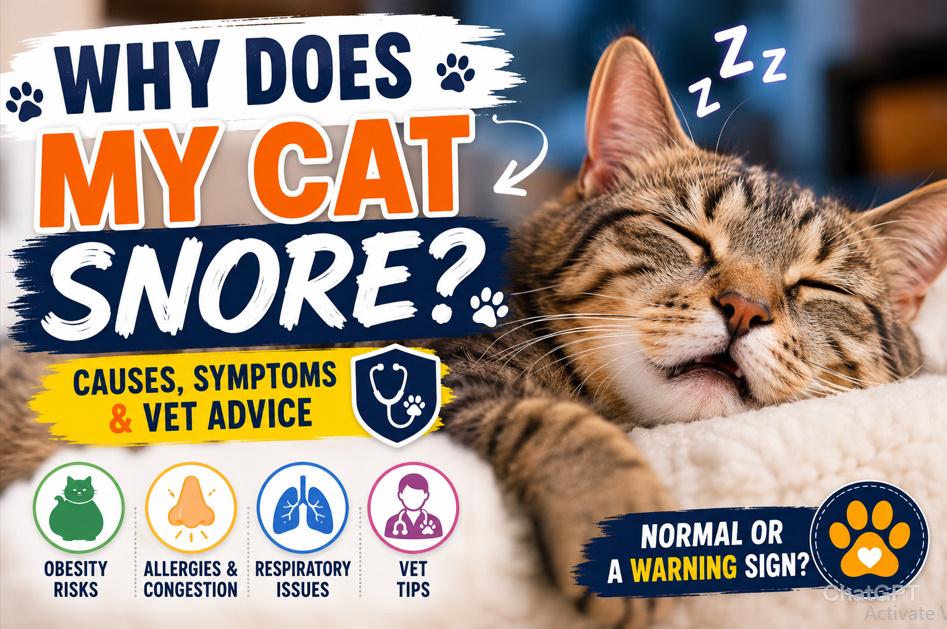
Cats make many adorable sounds, but snoring can sometimes surprise pet owners. While light cat snoring during deep sleep is usually harmless, loud breathing noises may indicate respiratory issues, obesity, allergies, or nasal blockage. Understanding why your cat snores helps improve feline health, sleep quality, and comfort. As a veterinarian and cat owner, I’ve seen both harmless and serious snoring cases. 😺💙
Normal Cat Snoring During Deep Sleep 😴🐱
Healthy cats often snore lightly when they enter deep sleep positions. Relaxed throat muscles and certain sleeping angles can partially block airflow, causing gentle snoring sounds. Flat-faced cat breeds like Persian cats naturally snore more because of their shortened nasal passages and compressed airways during nighttime rest. 💤
As a veterinary doctor, I’ve noticed many owners panic unnecessarily about soft feline snoring. One of my own rescue cats snores loudly after exhausting play sessions. In most cases, occasional snoring without coughing, breathing trouble, or nasal discharge is completely harmless and requires simple observation rather than emergency treatment. 😺
Quick Signs & Facts 🐾
- 😴 Deep sleep increases snoring
- 🐱 Persian cats snore often
- 🛏️ Sleeping position matters
- 💨 Relaxed airways create sounds
- ❤️ Mild snoring is normal
- 💤 Older cats snore more
- 😺 Happy cats sleep deeply
- 🌙 Nighttime snoring is common
- 🧸 Comfortable bedding helps
- 👀 Monitor sudden changes
Vet Advice 👨⚕️: Record your cat’s sleeping sounds if the snoring suddenly becomes louder or unusual.
Obesity Can Cause Cat Snoring ⚖️🐈
Overweight cats frequently develop loud snoring because excess fat around the throat narrows airways. Obesity also increases breathing resistance and worsens sleep quality. Indoor cats with low activity levels are especially prone to weight-related snoring and respiratory strain during long naps or nighttime sleeping. 🍗
During clinic visits, I treated an overweight tabby cat whose snoring sounded alarming every night. After a healthier diet and regular exercise routine, the snoring reduced significantly within two months. As both a veterinarian and cat owner, I strongly recommend weight management for better feline breathing health. 🏃♂️🐾
Signs of Weight-Related Snoring 🍖
- ⚖️ Excess body weight
- 💤 Heavy nighttime breathing
- 🍔 Overeating habits
- 🛋️ Low physical activity
- 😮 Shortness of breath
- 🐱 Loud sleep sounds
- 🚫 Reduced jumping ability
- ❤️ Increased fatigue
- 🥩 Poor diet choices
- 📈 Rapid weight gain
Vet Advice 👨⚕️: Feed portion-controlled meals and encourage active play using laser toys or climbing towers.
Allergies and Nasal Congestion 🤧🌼
Cats can develop allergies from dust, pollen, smoke, perfumes, or household chemicals. Allergic reactions inflame nasal tissues, making breathing noisy during sleep. Congested cats may also sneeze frequently, rub their noses, or produce watery eyes alongside persistent snoring and mild respiratory discomfort. 🌸
I once treated a Siamese cat whose snoring worsened every spring season. The owner discovered scented candles triggered severe feline allergies inside the home. After improving air quality and reducing irritants, the cat slept peacefully again. Environmental management often solves mild snoring caused by allergens. 🕯️❌
Allergy Symptoms in Cats 🌿
- 🤧 Frequent sneezing
- 👃 Stuffy nose
- 🌸 Seasonal snoring
- 😿 Watery eyes
- 🧴 Reaction to perfumes
- 🚬 Smoke sensitivity
- 🏠 Dust-related breathing issues
- 💤 Congested sleeping sounds
- 🐾 Face rubbing
- 🌬️ Difficulty breathing
Vet Advice 👨⚕️: Use air purifiers and avoid smoking or strong fragrances around cats.
Flat-Faced Cat Breeds Snore More 🐱👃
Brachycephalic cat breeds like Persians, Himalayans, and Exotic Shorthairs naturally experience breathing difficulties because of shortened skull structures. Their compressed nasal passages restrict airflow, leading to chronic snoring, noisy breathing, and occasional sleep disturbances throughout their lives, especially during warm weather or stressful situations. ☀️
As a cat owner, I cared for a Persian cat that snored every single night since kittenhood. Veterinary examinations confirmed her airway anatomy was responsible rather than illness. Many flat-faced cats live happily with mild snoring, but owners should still monitor worsening breathing patterns carefully. 🐾💙
Common Flat-Faced Breeds 😺
- 🐱 Persian cats
- 🧸 Himalayan cats
- 😻 Exotic Shorthairs
- 👃 Narrow nostrils
- 💨 Restricted airflow
- 💤 Chronic snoring
- 🌡️ Heat sensitivity
- 😮 Open-mouth breathing
- ❤️ Regular vet checks
- 🐾 Breathing observation
Vet Advice 👨⚕️: Keep brachycephalic cats cool and stress-free to reduce breathing difficulties.
Respiratory Infections and Illnesses 🦠🐈
Upper respiratory infections are common causes of sudden cat snoring. Viral infections, bacterial illnesses, and fungal diseases create nasal inflammation and mucus buildup. Cats with respiratory problems may also cough, wheeze, lose appetite, or develop lethargy alongside abnormal snoring during sleep and resting periods. 🤒
I remember treating a stray kitten with severe congestion and loud snoring after a respiratory infection. After proper antibiotics, hydration, and supportive care, the kitten recovered fully within weeks. Sudden loud snoring combined with illness symptoms should always prompt immediate veterinary evaluation. 🏥��
Warning Signs of Infection 🚨
- 🤒 Fever symptoms
- 😿 Runny nose
- 💤 Sudden loud snoring
- 🍽️ Appetite loss
- 🐱 Low energy
- 😷 Wheezing sounds
- 👃 Thick mucus
- 💧 Watery eyes
- 🦠 Viral infections
- 🏥 Breathing distress
Vet Advice 👨⚕️: Never ignore snoring accompanied by coughing, lethargy, or appetite changes.
Sleeping Positions Affect Cat Breathing 🛏️😺
Sometimes cats snore simply because of awkward sleeping positions. Curled necks, pressed faces, or stretched throats can temporarily block airflow and create funny sleep noises. Cats frequently shift positions during deep sleep, causing occasional snoring that disappears once they move naturally. 💤
My orange tabby loves sleeping upside down with his face against cushions. He snores loudly for a few minutes before repositioning himself silently again. Many pet owners mistake these harmless sleep sounds for disease, but temporary positional snoring is extremely common among relaxed indoor cats. 🧡🐈
Position-Related Snoring Signs 🛌
- 💤 Snoring stops after movement
- 🛏️ Face pressed downward
- 😺 Curled sleeping posture
- 🌙 Temporary sleep sounds
- 🐾 Relaxed body posture
- ❤️ No illness symptoms
- 😴 Deep comfortable sleep
- 🧸 Soft bedding preference
- 👀 Observe sleeping habits
- 💤 Occasional breathing noises
Vet Advice 👨⚕️: Provide supportive cat beds that allow natural neck alignment during sleep.
When Cat Snoring Becomes Dangerous 🚑🐾
Persistent loud snoring paired with breathing trouble can signal serious conditions like nasal polyps, asthma, tumors, or sleep apnea. Emergency symptoms include blue gums, open-mouth breathing, choking sounds, and extreme lethargy. Immediate veterinary care is necessary when snoring affects normal breathing patterns or daily activity. ⚠️
One emergency case involved an elderly cat with severe snoring caused by a hidden nasal tumor. Early diagnosis improved the cat’s comfort and breathing significantly. As veterinarians, we always encourage owners to trust their instincts whenever snoring suddenly changes or worsens dramatically. 🏥💔
Emergency Symptoms 🚨
- 😮 Open-mouth breathing
- 💙 Blue gums
- 💤 Severe sleep apnea
- 🩺 Wheezing constantly
- ⚠️ Choking noises
- 🐱 Extreme lethargy
- 🤒 Ongoing illness
- 👃 Persistent blockage
- 🚑 Difficulty breathing
- 🏥 Sudden behavior changes
Vet Advice 👨⚕️: Seek immediate veterinary attention if your cat struggles to breathe while awake.
Conclusion 😺💤
Cat snoring can range from harmless sleep sounds to signs of respiratory illness or obesity. Monitoring breathing patterns, sleeping behavior, and overall feline health helps determine when veterinary care is necessary. As both a veterinarian and lifelong cat owner, I recommend observing changes carefully while ensuring your cat enjoys a healthy diet, clean environment, and stress-free sleep. 🐾💙