
Introduction
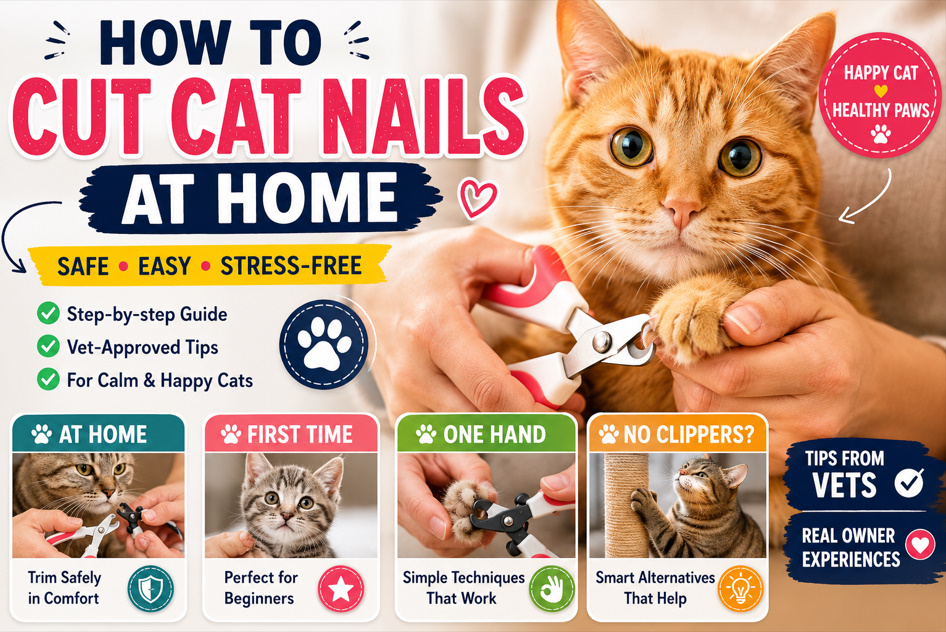
Learning how to cut cat nails safely is an important part of responsible pet care and feline grooming. Whether you need to trim your cat’s nails at home, handle a nervous cat, use one hand, or trim without clippers, the right techniques can make the process easier. This guide covers expert veterinary advice, practical owner experiences, and proven nail-trimming tips to keep your cat comfortable, healthy, and stress-free.
Cat Nail Clippers
Choosing the right cat nail clippers is the first step toward safe and stress-free cat grooming. Pet nail trimmers designed specifically for cats provide better control and precision. Quality cat claw clippers reduce the risk of splitting nails and help maintain healthy paws. Regular nail maintenance also protects furniture and prevents accidental scratches.
As a cat owner, I learned that investing in professional cat nail clippers made trimming much easier. Cheap tools often crushed the nail instead of cutting cleanly. Using feline grooming tools improved my confidence and helped my cat remain calm during every nail-trimming session. Consistency is important for long-term paw health.
Quick Tips
- 🐱 Use cat-specific nail clippers.
- ✂️ Keep blades sharp.
- 🐾 Trim every 2–4 weeks.
- 😊 Reward with treats.
- 🪑 Choose a quiet place.
- 🧤 Stay calm and gentle.
- 🎯 Cut only the tip.
- 💡 Check nail condition regularly.
- ❤️ Praise your cat often.
- 🏡 Create a grooming routine.
Veterinarian Advice: Always inspect your cat’s nails before trimming. Avoid cutting into the quick, the pink area containing blood vessels and nerves. If you’re unsure, trim only a small amount at a time.
Owner Experience: My cat was nervous during the first few sessions. After introducing treats and positive reinforcement, nail trimming became a quick and stress-free routine.
How to Cut Cat Nails with Human Clippers
Many owners wonder whether human nail clippers can be used on cats. While possible in emergencies, human clippers are generally not recommended. They are designed for flat human nails and can crush or split a cat’s curved claws. Proper cat grooming tools provide safer and cleaner cuts.
When I first adopted my cat, I used a human nail clipper because I had no pet supplies available. The process was difficult and uncomfortable for my pet. After switching to cat-specific clippers, trimming became easier and safer. Dedicated feline nail trimmers offer much better control and precision.
Quick Tips
- ✂️ Prefer cat nail clippers.
- 🐱 Use human clippers only if necessary.
- 👀 Watch the quick carefully.
- 🧘 Stay relaxed.
- 🍗 Offer treats afterward.
- 💡 Ensure bright lighting.
- 🐾 Hold paws gently.
- ⏰ Trim during calm moments.
- ❤️ Use positive reinforcement.
- 🎯 Make small cuts.
Veterinarian Advice: Human clippers may cause nail splitting. Veterinary professionals recommend cat-specific clippers to minimize discomfort and maintain healthy claw structure.
Owner Experience: My cat resisted when I used human clippers. Once I purchased proper pet nail clippers, the process became faster and significantly less stressful.
How to Cut Cats Nails When They Hate It
Some cats dislike nail trimming due to fear, previous negative experiences, or sensitivity around their paws. Training, patience, and positive reinforcement are essential. Start by touching your cat’s paws daily and rewarding calm behavior. Gradual desensitization helps build trust and reduces grooming anxiety.
My rescue cat hated nail trimming and would run away whenever the clippers appeared. I spent several weeks practicing paw handling and giving treats. Eventually, my cat became comfortable enough to allow short trimming sessions. Small steps created lasting improvement and reduced stress for both of us.
Quick Tips
- 🐱 Start slowly.
- 🍖 Use favorite treats.
- 😊 Stay patient.
- 🐾 Touch paws daily.
- ⏳ Trim one nail at a time.
- 🎵 Use a calm environment.
- ❤️ Reward cooperation.
- 🧘 Avoid force.
- 👀 Watch body language.
- 🏡 Build a routine.
Veterinarian Advice: Never restrain a frightened cat aggressively. Stress can damage trust and increase fear. Short, positive grooming sessions are more effective than forcing a full nail trim.
Owner Experience: Breaking the process into multiple sessions worked best. Some days I trimmed only two or three nails, but consistency eventually produced excellent results.
How to Cut Cat Nails Without Getting Scratched
Proper handling techniques help protect both you and your cat during nail trimming. Use a comfortable position where your cat feels secure. Gently press the paw pad to extend the claw and trim only the sharp tip. Calm behavior and preparation significantly reduce the risk of scratches.
Over time, I discovered that trimming nails after playtime was much easier. My cat was relaxed and less likely to struggle. Having treats, clippers, and a towel ready beforehand helped me stay organized and confident throughout the grooming session.
Quick Tips
- 🐱 Trim after playtime.
- 🧤 Use a towel if needed.
- ✂️ Prepare tools first.
- 😊 Stay calm.
- 🐾 Hold paws gently.
- 👀 Watch for stress signs.
- ❤️ Reward good behavior.
- 🎯 Trim only the tip.
- 🪑 Sit comfortably.
- 🍗 Keep treats nearby.
Veterinarian Advice: If your cat becomes aggressive, stop immediately and try again later. Severe stress can increase the chance of injury. Consult a veterinarian or professional groomer if nail trimming remains difficult.
Owner Experience: Wearing long sleeves and trimming during quiet evenings greatly reduced accidental scratches. Preparation and patience made every grooming session safer and more successful.
How to Cut Cat Nails at Home
Trimming your cat’s nails at home is an essential part of feline grooming and pet care. Regular nail trimming prevents overgrown claws, reduces scratching damage, and supports healthy paw maintenance. Before starting, gather cat nail clippers, treats, and a towel. Choose a quiet room where your cat feels safe and relaxed.
As a cat owner, I found that home nail trimming became easier after creating a consistent grooming routine. My cat initially resisted paw handling, but daily touching of the paws helped build trust. With patience and positive reinforcement, nail care became a stress-free experience for both of us.
Proper cat nail maintenance improves comfort and reduces the risk of ingrown nails. Many indoor cats require nail trimming every few weeks because they naturally wear down their claws less than outdoor cats. A calm environment and gentle handling make the process much more successful.
I remember being nervous during my first attempt. However, after watching my cat’s body language and taking breaks when needed, the experience improved dramatically. Consistency and confidence helped my cat accept regular grooming sessions.
Quick Tips
- 🐱 Choose a quiet room.
- ✂️ Use proper cat nail clippers.
- 🍗 Keep treats nearby.
- 🐾 Handle paws gently.
- 😊 Stay calm and relaxed.
- ❤️ Reward good behavior.
- 💡 Use bright lighting.
- ⏰ Trim every few weeks.
- 🎯 Cut only the nail tip.
- 🏡 Create a grooming routine.
Veterinarian Advice: Always identify the quick before trimming. Cutting too deeply can cause pain and bleeding. If your cat becomes stressed, pause the session and continue later.
How to Cut Cat Nails for the First Time
The first nail trimming session can feel intimidating for both cats and owners. Start by introducing the nail clippers gradually and allowing your cat to sniff them. Familiarization reduces fear and helps establish positive associations with the grooming process.
When I trimmed my kitten’s nails for the first time, I spent several days simply touching the paws and rewarding calm behavior. This preparation made the actual trimming session much smoother and less stressful.
First-time cat nail trimming should focus on comfort rather than perfection. You do not need to trim every nail during the first session. Even trimming one or two nails successfully helps create a positive experience and builds confidence for future grooming.
My biggest mistake was trying to finish all the nails at once. My cat became restless quickly. After switching to shorter sessions spread over several days, nail trimming became much more manageable.
Quick Tips
- 🐱 Introduce clippers slowly.
- 🍖 Use favorite treats.
- 😊 Stay patient.
- 🐾 Touch paws daily.
- ❤️ Reward cooperation.
- ⏳ Take breaks often.
- 🎯 Trim small amounts.
- 👀 Watch body language.
- 🏡 Keep sessions short.
- 🌟 Build positive experiences.
Veterinarian Advice: Early positive grooming experiences help prevent future fear and aggression. Start slowly and focus on trust-building rather than completing every nail.
How to Cut Cat Nails with One Hand
Sometimes owners need to trim cat nails with one hand, especially when holding a kitten or managing a calm cat. Position your cat securely on your lap or a stable surface. Gently press the paw pad using your fingers to extend the claw while carefully trimming the sharp tip.
As a pet owner, I occasionally trimmed nails with one hand when my cat was resting comfortably beside me. Proper positioning and preparation made the task much easier. Having all grooming supplies within reach prevented unnecessary movement and stress.
One-handed nail trimming works best with cooperative cats that are already comfortable with paw handling. Rushing increases the chance of mistakes. Move slowly and focus on one claw at a time while monitoring your cat’s comfort level.
Over time, I learned that trimming after playtime helped tremendously. A tired and relaxed cat was far more willing to stay still, making one-handed trimming safer and more efficient.
Quick Tips
- 🐱 Use a stable position.
- ✂️ Keep tools nearby.
- 🐾 Extend claws gently.
- 😊 Stay relaxed.
- 🎯 Trim one nail at a time.
- 🍗 Reward afterward.
- ❤️ Move slowly.
- 👀 Monitor stress signals.
- ⏰ Work in short sessions.
- 🏡 Choose a quiet area.
Veterinarian Advice: One-handed trimming should only be attempted if your cat remains calm. If your cat struggles, use two hands or seek assistance to prevent accidental injury.
How to Cut Cat Nails Without Clippers
If cat nail clippers are unavailable, there are a few temporary alternatives. Human nail clippers may be used cautiously in emergencies, although they are not ideal. They can crush or split feline claws because cat nails are curved and delicate.
I once needed to trim my cat’s nails unexpectedly and only had human nail clippers available. The experience was more difficult and less precise. As soon as possible, I replaced them with proper cat nail trimmers designed specifically for feline nail care.
Another option is using scratching posts and scratching pads to help naturally wear down claws. While these tools do not replace trimming completely, they contribute to overall claw maintenance and reduce sharpness between grooming sessions.
My cat uses several scratching posts around the house. I noticed that regular scratching significantly reduced how often extensive trimming was needed. Environmental enrichment plays an important role in healthy nail management.
Quick Tips
- 🐱 Use scratching posts daily.
- 🪵 Provide scratching pads.
- ✂️ Human clippers only if necessary.
- 🎯 Trim carefully.
- 👀 Watch for splitting.
- ❤️ Reward cooperation.
- 🏡 Maintain grooming habits.
- 🐾 Inspect claws regularly.
- 😊 Stay patient.
- 🍗 Offer treats afterward.
Veterinarian Advice: Cat-specific nail clippers remain the safest option. If alternatives must be used, trim very small amounts and stop immediately if the nail shows signs of cracking or discomfort.
Conclusion
Regular cat nail trimming helps maintain healthy paws, prevents overgrown claws, and reduces scratching-related injuries. By using gentle handling, positive reinforcement, and proper grooming techniques, you can make nail care a positive experience for your feline companion. Whether you are trimming cat nails for the first time or improving your grooming routine, patience and consistency will help ensure safe, successful, and stress-free results every time.