
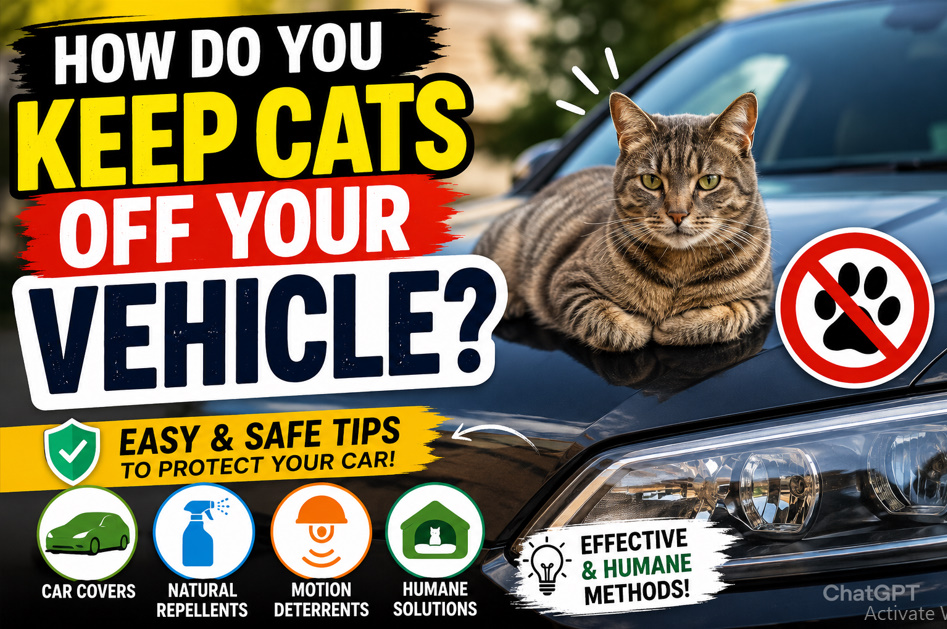
Introduction 🐾🚘
Cats love warm and cozy places, and unfortunately, vehicles often become their favorite resting spots. From paw prints on the hood to scratches on the paint, many car owners struggle with this annoying problem. I personally faced this issue during winter mornings when neighborhood cats slept on my car daily. Thankfully, several safe and effective tricks helped protect my vehicle without harming the cats.
Use Car Covers to Protect Your Vehicle 🚗🛡️
A high-quality car cover creates a physical barrier between cats and your vehicle. Most cats dislike unstable surfaces because they cannot comfortably grip them. Waterproof covers also protect your car from dust, scratches, bird droppings, and weather damage. This simple method is affordable, practical, and highly effective for long-term vehicle protection.
I started using a thick car cover after noticing cat paw prints every morning. Within one week, the cats completely stopped climbing on my hood. The cover also kept my windshield cleaner during rainy days. Many cat owners recommend this method because it protects the paint while safely discouraging cats from resting there.
Quick Tips 🐱✨
- 🚘 Use a waterproof car cover
- 🛡️ Choose thick material for stability
- 🐾 Cats dislike slippery surfaces
- 🌧️ Covers protect from rain too
- ☀️ UV-resistant covers last longer
- 😺 Avoid covers with soft padding
- 🚗 Secure the edges tightly
- 🧼 Clean the cover weekly
- 🌙 Cover your car overnight
- 💡 Store cover properly after use
Advice: Invest in a durable car cover instead of cheap thin fabric because cats can still claw lightweight material.
Spray Cat-Repellent Scents Around the Vehicle 🍋🌿
Cats have sensitive noses and strongly dislike certain smells like citrus, peppermint, lavender, and vinegar. Using natural cat repellents around your parking area can discourage them from approaching your car. These scents are harmless to cats but effective in changing their behavior over time.
I once placed orange peels near my tires and sprayed diluted peppermint oil around the parking spot. Surprisingly, the neighborhood cats avoided the area within days. Consistency matters when using scent-based repellents because rain and wind can reduce their effectiveness quickly.
Quick Tips 🐾🍊
- 🍋 Citrus smells repel cats
- 🌿 Peppermint works naturally
- 🧴 Use diluted essential oils
- 🚫 Avoid spraying directly on paint
- 🌧️ Reapply after rain
- 🐱 Vinegar also discourages cats
- 🌸 Lavender can help too
- 🚗 Spray around tires carefully
- 🧼 Keep parking area clean
- 💨 Strong smells work best
Advice: Always test natural sprays on a small vehicle area first to avoid paint discoloration.
Install Motion-Activated Deterrents 🔊💡
Motion-activated lights or ultrasonic devices scare cats without hurting them. These tools detect movement and instantly create sound or flashing lights. Cats usually avoid places where sudden disturbances occur regularly. This method is especially useful for driveways, garages, and outdoor parking spaces.
One of my friends installed a solar-powered motion light near his driveway after stray cats repeatedly scratched his SUV. The flashing light immediately reduced cat visits. Many homeowners prefer automated deterrents because they work day and night without requiring constant attention.
Quick Tips 🚘⚡
- 💡 Motion lights surprise cats
- 🔊 Ultrasonic devices are effective
- 🌙 Great for nighttime protection
- ☀️ Solar-powered options save energy
- 🚗 Install near parking areas
- 🐾 Cats avoid sudden sounds
- 🛠️ Easy to install outdoors
- 🔋 Replace batteries regularly
- 🧼 Keep sensors dust-free
- 🏡 Perfect for garages too
Advice: Position deterrents carefully so they activate near the vehicle instead of random passing movements.
Keep the Parking Area Uncomfortable for Cats 🌵🚫
Cats prefer soft, quiet, and comfortable places to relax. Making your parking area less attractive can stop them naturally. Rough mats, plastic carpet runners, or textured surfaces near your vehicle discourage cats from sitting or sleeping around the area.
I used plastic mats with small bumps near my parking space after reading advice from other cat owners online. Within days, the cats stopped gathering near the car. The method was simple, inexpensive, and surprisingly effective without causing any harm to the animals.
Quick Tips 🐱🛑
- 🌵 Use textured floor mats
- 🚫 Cats dislike rough surfaces
- 🐾 Place mats near tires
- 🧼 Keep parking clean always
- 🚗 Avoid leaving food nearby
- 🌙 Remove soft blankets outside
- 📦 Store boxes away properly
- 🛠️ Try carpet runners upside down
- 🐱 Prevent comfortable sleeping spots
- 💡 Combine methods for success
Advice: Never use harmful spikes or dangerous traps because humane methods work better long term.
Wash Away Cat Scent Markings Regularly 🧼🐾
Cats often return to vehicles because they smell familiar scents left behind by previous visits. Cleaning your vehicle regularly removes scent markings and reduces repeat behavior. Strong-smelling cleaners also discourage cats from revisiting the same location repeatedly.
I noticed cats returned more frequently whenever I skipped washing my car for several days. After cleaning the hood and tires regularly, the visits reduced dramatically. Scent removal is one of the most overlooked but important steps in protecting vehicles from cats.
Quick Tips 🚘🧽
- 🧼 Wash your car often
- 🐾 Remove paw scent marks
- 🍋 Use citrus-based cleaners
- 🚗 Focus on hood and tires
- 🌧️ Clean after rainy days
- 🧴 Avoid strong toxic chemicals
- 🐱 Cats revisit familiar smells
- ✨ Keep surfaces shiny
- 🧽 Dry vehicle properly
- 🌿 Natural cleaners work well
Advice: Use pet-safe cleaning products whenever possible to protect both cats and the environment.
Provide an Alternative Resting Spot 🐱🛏️
Sometimes cats climb vehicles simply because they want warmth and comfort. Giving them a safer alternative, like an outdoor cat bed or shelter, can redirect their behavior. This humane solution works especially well during winter or cold nights.
During colder months, I placed an old blanket inside a cardboard shelter away from my car. Surprisingly, the stray cats preferred the new sleeping area almost immediately. This solution helped protect my vehicle while still showing kindness toward neighborhood cats.
Quick Tips 🐾🏠
- 🛏️ Create a cozy cat shelter
- 🌙 Helpful during winter nights
- 🐱 Cats seek warmth naturally
- 📦 Use cardboard boxes safely
- 🧺 Add old blankets inside
- 🚗 Place shelter away from cars
- 🌧️ Keep shelter dry always
- 🍲 Avoid feeding near vehicle
- 🐾 Humane methods work best
- ❤️ Kindness helps solve problems
Advice: Place alternative resting areas far enough from your vehicle to change cat habits effectively.
Avoid Attracting Cats to Your Vehicle 🍖🚘
Food smells, warmth, and quiet spaces attract cats to parked vehicles. Avoid leaving food wrappers, pet food, or garbage near your parking area. Warm car engines also attract cats during cold weather, making engine checks important before driving.
One winter morning, I discovered a cat hiding near my engine because the vehicle stayed warm overnight. Since then, I always tap the hood before starting the car. Small preventive habits can protect both your vehicle and nearby cats safely.
Quick Tips 🐱🚫
- 🍖 Remove food smells quickly
- 🗑️ Keep garbage bins closed
- 🚗 Tap hood before driving
- 🌙 Cats love warm engines
- 🐾 Avoid feeding strays nearby
- 🧼 Clean parking spots often
- 🌿 Use natural repellents
- 🚘 Park inside garage if possible
- 🐱 Stay consistent with methods
- ❤️ Protect cats safely always
Advice: Always check under your vehicle during winter because cats may hide near warm engines.
Conclusion 🚘🐾
Keeping cats off your vehicle requires patience, consistency, and humane solutions. From car covers and natural repellents to motion lights and alternative shelters, several safe methods can protect your car effectively. I personally found that combining multiple techniques works best over time. Always avoid harmful practices because protecting your vehicle and caring for animals can easily go together.