
Introduction
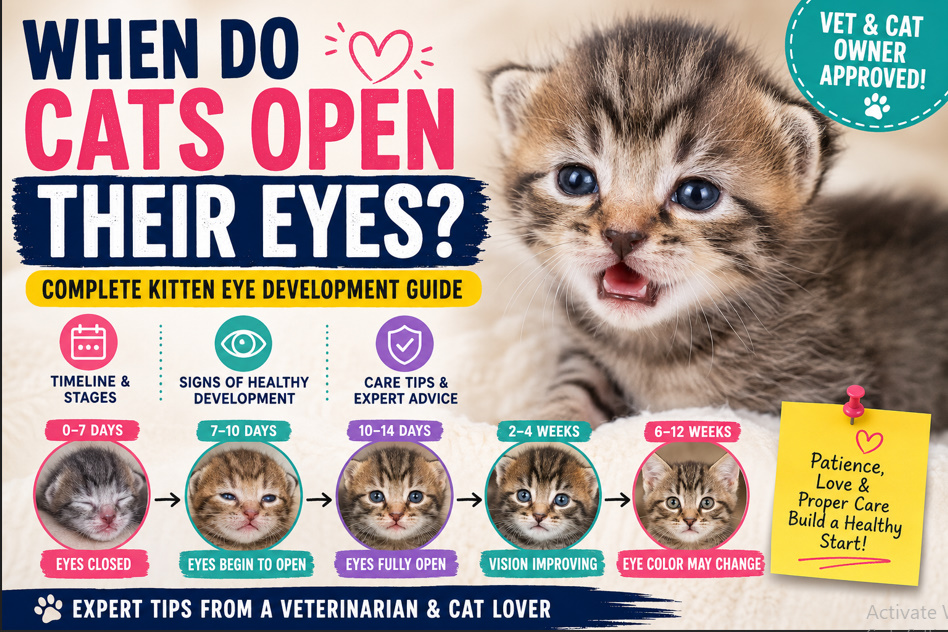
When do cats open their eyes? This is one of the most common questions new cat owners ask after welcoming a litter of newborn kittens. Most kittens begin opening their eyes between 7 and 14 days after birth, marking an important developmental milestone. Understanding kitten eye development, vision growth, and proper neonatal kitten care helps ensure healthy growth and allows owners to monitor their furry companions with confidence. Caring for a new litter takes patience, and some owners lean on a quiet third step prayer to stay calm and put their worries in trust while the kittens grow.
Most kittens begin opening their eyes between 7 and 14 days after birth
Kitten Eye Opening Timeline
Most kittens begin opening their eyes between 7 and 14 days after birth. This developmental milestone varies depending on genetics, breed characteristics, health status, and environmental conditions. During the first week, newborn kittens rely heavily on their sense of smell and touch. Their eyes remain sealed shut to protect delicate developing tissues.
As a veterinarian and cat owner, I have observed many litters opening their eyes around day ten. Some kittens open one eye first, while others gradually reveal both eyes over several days. This natural process should never be rushed because premature interference can damage sensitive eye structures and vision development.
Quick Facts 🐱
- 👀 Most kittens open eyes at 7–14 days.
- 🍼 Newborns cannot see at birth.
- 🌡️ Warm environments support healthy growth.
- 😺 Every kitten develops differently.
- 🐾 Smell guides kittens initially.
- 💙 Eyes often appear blue first.
- ⏳ Opening can take several days.
- 🏠 Safe nesting areas help development.
- 🧬 Genetics influence timing.
- ❤️ Patience is essential.
Why Are Kittens Born With Closed Eyes?
Kittens are born in an underdeveloped state compared to many animals. Their nervous system, vision organs, and sensory pathways continue developing after birth. Closed eyelids protect immature eye tissues from bacteria, bright light, dust, and injury while crucial developmental processes occur naturally.
During veterinary practice, I frequently explain that sealed eyes are not a defect. They are a protective biological adaptation. As a cat owner, watching newborn kittens grow has shown me how rapidly their bodies mature during the first few weeks, especially their eyesight and neurological development. Trusting the natural pace of that growth takes patience, and a short third step prayer can help you let go of worry and give your kittens the calm, steady care they need.
Quick Facts 🐱
- 🛡️ Closed eyes provide protection.
- 🌟 Vision develops after birth.
- 🧠 Brain connections are forming.
- ☀️ Light sensitivity is high.
- 🦠 Eyes are protected from infection.
- 🐾 Newborn kittens are vulnerable.
- 📈 Development happens quickly.
- 🍼 Mother cats provide security.
- 🔬 Eye tissues are immature.
- ❤️ Nature follows a perfect process.
What Do Kittens See After Opening Their Eyes?
When kittens first open their eyes, their vision remains blurry and limited. They cannot immediately recognize objects clearly. Their visual perception gradually improves over several weeks as retinal development, neural pathways, and focusing abilities strengthen through continuous growth.
I remember a litter I raised where the kittens seemed confused after opening their eyes. As a veterinarian, I knew their vision was still immature. Within weeks, they became more curious, started exploring surroundings, and responded confidently to movement, light changes, and familiar faces.
Quick Facts 🐱
- 👀 Vision starts blurry.
- 💡 Light sensitivity remains high.
- 🐾 Movement attracts attention.
- 🔍 Focus improves gradually.
- 🧠 Brain development supports vision.
- 🌈 Colors are not fully perceived.
- 🏠 Exploration increases.
- 😺 Recognition develops slowly.
- 📅 Improvement occurs weekly.
- ❤️ Curiosity grows daily.
Why Are Kitten Eyes Blue Initially?
Most kittens are born with blue eyes because melanin production has not fully developed. The lack of pigmentation causes light reflection that creates a blue appearance. As kittens mature, eye color may change to green, gold, copper, hazel, or remain blue.
As both a doctor and cat owner, I often hear people ask whether blue kitten eyes will stay permanent. The answer depends on genetics. Many kittens experience significant eye color changes between six and twelve weeks as pigmentation develops naturally. Watching those changes unfold is a reminder that some things can’t be rushed, and a simple third step prayer can help you accept the process with patience and trust.
Quick Facts 🐱
- 💙 Most kittens start with blue eyes.
- 🧬 Genetics affect eye color.
- 🎨 Pigmentation develops later.
- 👀 Eye color may change.
- 🐱 Some cats keep blue eyes.
- 📅 Changes occur over weeks.
- 🌈 Several final colors exist.
- 🔬 Melanin influences appearance.
- 😺 Breed matters.
- ❤️ Every kitten is unique.
Signs of Healthy Eye Development
Healthy kitten eyes should gradually open without excessive swelling, redness, discharge, or irritation. The eyes should appear clear and symmetrical. Mild tearing can occur, but severe inflammation may indicate infection requiring veterinary evaluation and prompt treatment.
In my veterinary clinic, early detection often prevents complications. As a cat owner, I always monitor eye appearance daily. Healthy kittens continue nursing normally, gain weight consistently, and become increasingly active as their sensory development progresses.
Quick Facts 🐱
- 👀 Eyes open gradually.
- ✨ Clear eyes indicate health.
- 🚫 Excessive discharge is abnormal.
- ❤️ Symmetry is important.
- 🍼 Healthy kittens nurse well.
- 📈 Weight gain matters.
- 🐾 Activity increases.
- 🌟 Eyes should look bright.
- 🩺 Monitoring helps prevention.
- 😺 Development should be steady.
When Should You Be Concerned?
If a kitten reaches three weeks of age without opening its eyes, veterinary attention is recommended. Persistent swelling, yellow discharge, crusting, bleeding, or strong odor may indicate eye infections, congenital abnormalities, or developmental complications requiring professional treatment.
I once treated a kitten with severe eye discharge because the owner assumed delayed opening was normal. Early intervention preserved vision. As both veterinarian and cat lover, I strongly encourage immediate consultation whenever unusual symptoms appear around developing eyes.
Quick Facts 🐱
- ⚠️ Delayed opening needs attention.
- 🩺 Veterinary exams are valuable.
- 🚫 Yellow discharge is concerning.
- 🔴 Redness may signal infection.
- 👃 Bad odor is abnormal.
- 👀 Swelling requires monitoring.
- ❤️ Early treatment prevents complications.
- 📅 Track developmental milestones.
- 🐱 Healthy kittens improve steadily.
- 🌟 Prevention is best.
Can You Help a Kitten Open Its Eyes?
Owners should never force a kitten’s eyes open. The eyelids separate naturally when development is complete. Pulling them apart can damage delicate tissues, increase infection risk, and potentially cause long-term vision problems.
Throughout my veterinary career, I have advised owners against attempting manual intervention. As a cat owner, patience has always proven best. Providing warmth, nutrition, cleanliness, and maternal care supports healthy eye opening without unnecessary risks.
Quick Facts 🐱
- 🚫 Never force eyes open.
- 🛡️ Natural development is safest.
- 🧼 Keep nesting areas clean.
- 🌡️ Maintain proper warmth.
- 🍼 Ensure adequate feeding.
- ❤️ Patience is important.
- 👀 Observe daily.
- 🩺 Seek advice if concerned.
- 🐱 Protect delicate tissues.
- 🌟 Let nature work.
Factors That Affect Eye Opening
Several factors influence when kittens open their eyes, including breed, genetics, nutrition, maternal health, birth weight, and environmental conditions. Healthy kittens raised in supportive environments generally achieve developmental milestones within expected timelines.
From personal experience raising rescue kittens, nutrition and maternal care significantly impact growth. In veterinary medicine, we often see delayed development associated with illness, poor nutrition, dehydration, or underlying congenital conditions affecting overall health.
Quick Facts 🐱
- 🧬 Genetics matter.
- 🍼 Nutrition supports growth.
- ❤️ Maternal care is essential.
- 🌡️ Temperature affects health.
- 🐾 Birth weight influences development.
- 🏠 Environment matters.
- 📈 Growth should be steady.
- 😺 Healthy kittens thrive.
- 🩺 Illness can cause delays.
- 🌟 Proper care helps.
Complete Kitten Development Stages
Kitten growth follows predictable stages including newborn, transitional, socialization, juvenile, and adolescent periods. Eye opening marks the beginning of the transitional stage, where sensory awareness increases and kittens become more responsive to their surroundings.
As a veterinarian, I love educating owners about developmental milestones. Watching kittens transition from helpless newborns to playful explorers remains one of the most rewarding experiences. Their rapid physical, behavioral, and sensory development demonstrates remarkable feline growth.
Quick Facts 🐱
- 🍼 Newborn stage begins life.
- 👀 Eye opening starts transition.
- 🐾 Mobility improves.
- 🧠 Learning accelerates.
- 😺 Socialization develops.
- 🏠 Exploration increases.
- 📅 Growth happens rapidly.
- ❤️ Human interaction matters.
- 🌟 Confidence builds.
- 🐱 Playfulness emerges.
Caring for Kittens During Eye Development
Proper kitten care includes maintaining a clean nesting box, monitoring weight gain, ensuring regular nursing, and limiting exposure to bright light. Gentle observation allows owners to track development while minimizing stress during this critical growth period.
As both veterinarian and cat owner, I always recommend daily monitoring without excessive handling. Healthy kittens should feel warm, nurse frequently, sleep comfortably, and gradually become more alert. Consistent care creates the foundation for strong vision and lifelong health.
Quick Facts 🐱
- 🧼 Keep bedding clean.
- 🌡️ Maintain warmth.
- 🍼 Monitor feeding habits.
- ⚖️ Track weight gain.
- 👀 Check eyes gently.
- ☀️ Avoid bright light.
- ❤️ Reduce stress.
- 🐱 Observe behavior.
- 🩺 Contact a vet if needed.
- 🌟 Support healthy development.
Conclusion
Watching kittens open their eyes for the first time is an exciting experience for every cat owner. While most kittens open their eyes within two weeks of birth, factors such as genetics, health, and nutrition can influence the timeline. By providing proper care, monitoring development, and seeking veterinary advice when necessary, you can support healthy vision development and help your kitten grow into a happy, thriving adult cat.