
Introduction
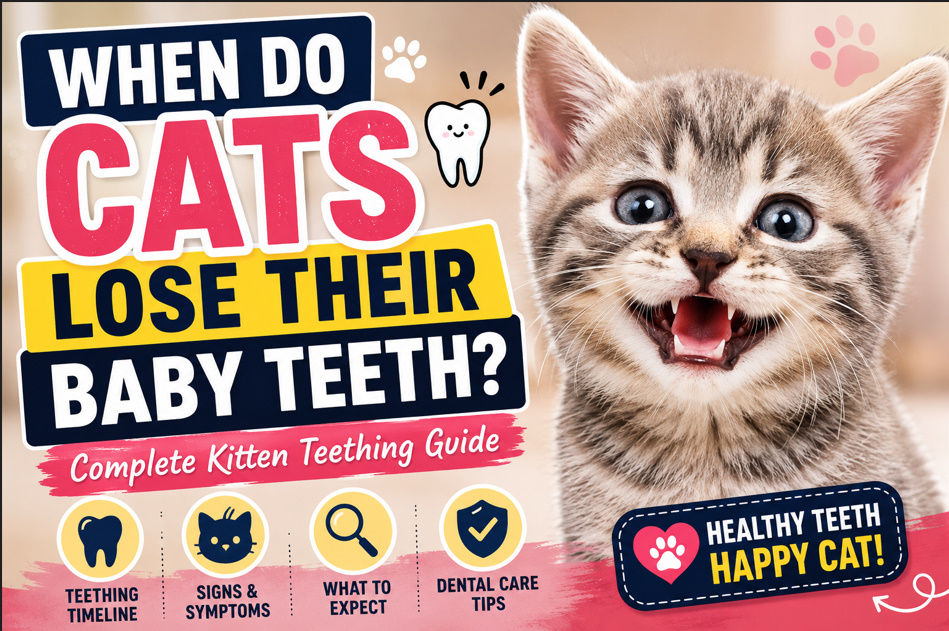
If you’re wondering when do cats lose their baby teeth, you’re not alone. Many kitten owners notice chewing, biting, or tiny teeth on the floor during kitten development. Understanding the kitten teething timeline, dental growth, and oral health helps ensure your furry friend grows healthy adult teeth and maintains excellent feline dental hygiene throughout life.
When Do Kittens Start Losing Their Baby Teeth?
Kittens usually begin losing their baby teeth around 3 to 4 months of age, and adult teeth appear by 6 to 7 months. This natural teething process is an important stage of feline development. As a cat owner, I once found tiny teeth near my kitten’s toy and was surprised.
- 🐱 Kittens have 26 baby teeth.
- 🦷 Adult cats have 30 teeth.
- ⏰ Teething starts at 3–4 months.
- 🌟 Adult teeth emerge gradually.
- 🧸 Chewing increases during teething.
- 😺 Mild discomfort is normal.
- 🍖 Soft food may help kittens.
- 🦴 Teething toys reduce pain.
- 👀 Watch for gum irritation.
- ❤️ Dental care starts early.
Cat Dentist Advice: Examine your kitten’s mouth weekly to monitor healthy tooth eruption and prevent dental issues.
What Is the Kitten Teething Timeline?
The kitten teething timeline begins with baby teeth erupting at 2–6 weeks and adult teeth replacing them between 3–7 months. Proper oral development ensures long-term dental health. My kitten became extra playful and chewed everything during this stage.
- 📅 Baby teeth appear first.
- 🐾 Adult teeth replace them later.
- 🦷 Incisors fall out earliest.
- 😺 Canines change slowly.
- 🧸 Chewing behavior increases.
- 🍗 Appetite may change slightly.
- 👄 Gums can look red.
- 🪥 Dental care prevents disease.
- 🏥 Vet visits are helpful.
- 💧 Fresh water supports health.
Cat Dentist Advice: Schedule a veterinary dental checkup if adult teeth don’t emerge by seven months.
Signs Your Kitten Is Losing Baby Teeth
Many owners ask how to tell if a kitten is teething. Common signs include chewing, drooling, gum redness, and missing teeth. I noticed my kitten biting furniture more often before losing her baby teeth naturally.
- 😺 Increased chewing is common.
- 🦷 Missing teeth are normal.
- 💧 Mild drooling may occur.
- 👄 Gums can become sensitive.
- 🐾 Playful biting increases.
- 🍽️ Appetite changes slightly.
- 🛏️ Restlessness may appear.
- 🧸 Toys help relieve discomfort.
- ❤️ Most kittens adapt well.
- 👀 Monitor unusual symptoms.
Cat Dentist Advice: Seek veterinary care if bleeding or severe pain occurs during teething.
Do Cats Swallow Their Baby Teeth?
Yes, many kittens swallow their baby teeth while eating or grooming. This is harmless and happens naturally. I rarely found my kitten’s lost teeth because she likely swallowed them during mealtime.
- 🦷 Swallowing teeth is normal.
- 🍽️ Teeth may disappear quickly.
- 😺 Most owners never find them.
- 🌟 No treatment is needed.
- 🐱 Digestion handles tiny teeth.
- ❤️ Cats remain healthy.
- 👄 Monitor gum health.
- 🧸 Offer safe chew toys.
- 🩺 Ask a vet if worried.
- 🐾 Stay calm during teething.
Cat Dentist Advice: Missing teeth without pain usually indicate a normal teething process.
Which Teeth Do Kittens Lose First?
Kittens usually lose their incisors first, followed by canines and premolars. Adult teeth gradually replace them. I remember noticing my kitten’s front teeth disappearing before her larger canine teeth changed.
- 🦷 Incisors fall out first.
- 😺 Canines change later.
- 🐾 Premolars follow naturally.
- 📅 The process takes months.
- 👄 Gums may look red.
- 🧸 Chewing helps eruption.
- 🍗 Soft food eases discomfort.
- ❤️ Healthy teeth need care.
- 🪥 Dental hygiene matters.
- 🏥 Regular checkups help.
Cat Dentist Advice: Retained baby teeth should be evaluated by a veterinarian.
What Happens If Baby Teeth Don’t Fall Out?
Sometimes kittens retain baby teeth, causing overcrowding and dental disease. This condition is called retained deciduous teeth. A friend’s kitten needed veterinary treatment because adult teeth grew beside baby teeth.
- ⚠️ Retained teeth can occur.
- 🦷 Crowding affects alignment.
- 👄 Plaque builds faster.
- 🐱 Gum disease may develop.
- 🩺 Veterinary care helps.
- 🪥 Brushing reduces plaque.
- ❤️ Early treatment prevents issues.
- 📅 Monitor tooth changes.
- 😺 Healthy teeth improve comfort.
- 🌟 Prevention is best.
Cat Dentist Advice: Have retained teeth removed promptly to avoid periodontal disease.
How Can You Help a Teething Kitten?
Providing chew toys and proper nutrition helps kittens during teething. My kitten loved soft rubber toys and stopped chewing furniture after getting appropriate teething aids.
- 🧸 Offer kitten-safe toys.
- 🍗 Feed balanced nutrition.
- 💧 Provide fresh water.
- 🦷 Encourage healthy chewing.
- 😺 Keep stress low.
- 🏠 Cat-proof your home.
- 🪥 Introduce tooth brushing.
- ❤️ Reward positive behavior.
- 👀 Monitor oral health.
- 🐾 Be patient.
Cat Dentist Advice: Begin gentle tooth brushing early to establish lifelong dental habits.
When Should You Worry About Teething Problems?
Most kittens teethe normally, but excessive bleeding, pain, or bad breath can signal problems. I once visited the vet when my kitten refused food, and thankfully it was only mild gum irritation.
- ⚠️ Excessive bleeding is abnormal.
- 😷 Bad breath may signal disease.
- 🍽️ Refusing food needs attention.
- 🩺 Consult a veterinarian.
- 🦷 Check tooth alignment.
- 👄 Watch for swelling.
- ❤️ Early care prevents issues.
- 😺 Healthy kittens stay active.
- 🧸 Provide comfort toys.
- 🌟 Prevention saves money.
Cat Dentist Advice: Persistent oral symptoms should always be professionally evaluated.
How Does Dental Care Benefit Adult Cats?
Good kitten dental care reduces future dental disease and tooth loss. Establishing oral hygiene early supports lifelong health. My older cat has healthy teeth because we started dental care during kittenhood.
- 🪥 Brush teeth regularly.
- 🐱 Use cat-safe toothpaste.
- 🩺 Schedule dental exams.
- 🦷 Prevent tartar buildup.
- ❤️ Healthy gums matter.
- 🍗 Feed quality food.
- 💧 Hydration supports health.
- 😺 Oral care increases longevity.
- 🌟 Prevention is easier.
- 🏥 Routine care saves costs.
Cat Dentist Advice: Daily brushing is the gold standard for feline dental health.
Frequently Asked Questions About Kitten Teeth
Cat owners often wonder whether teething hurts or how long it lasts. Fortunately, most kittens handle this stage well with proper care and monitoring.
- ❓ Teething lasts several months.
- 🦷 Adult teeth appear by seven months.
- 😺 Mild discomfort is normal.
- 🧸 Toys ease teething pain.
- 🍽️ Appetite may change briefly.
- 👄 Gum redness can occur.
- 🩺 Vet visits ensure health.
- ❤️ Dental care prevents disease.
- 🌟 Every kitten is unique.
- 🐾 Patience helps owners.
Cat Dentist Advice: Early dental awareness leads to healthier cats throughout adulthood.
Conclusion
Understanding when cats lose their baby teeth helps owners support healthy feline development. Most kittens lose their baby teeth between 3 and 7 months while adult teeth emerge. Regular monitoring, dental hygiene, and veterinary care ensure lifelong oral health. With patience and proper care, your kitten can transition comfortably into adulthood.
[…] When Do Cats Lose Their Baby Teeth? Kitten Teething Timeline Guide […]