
Introduction
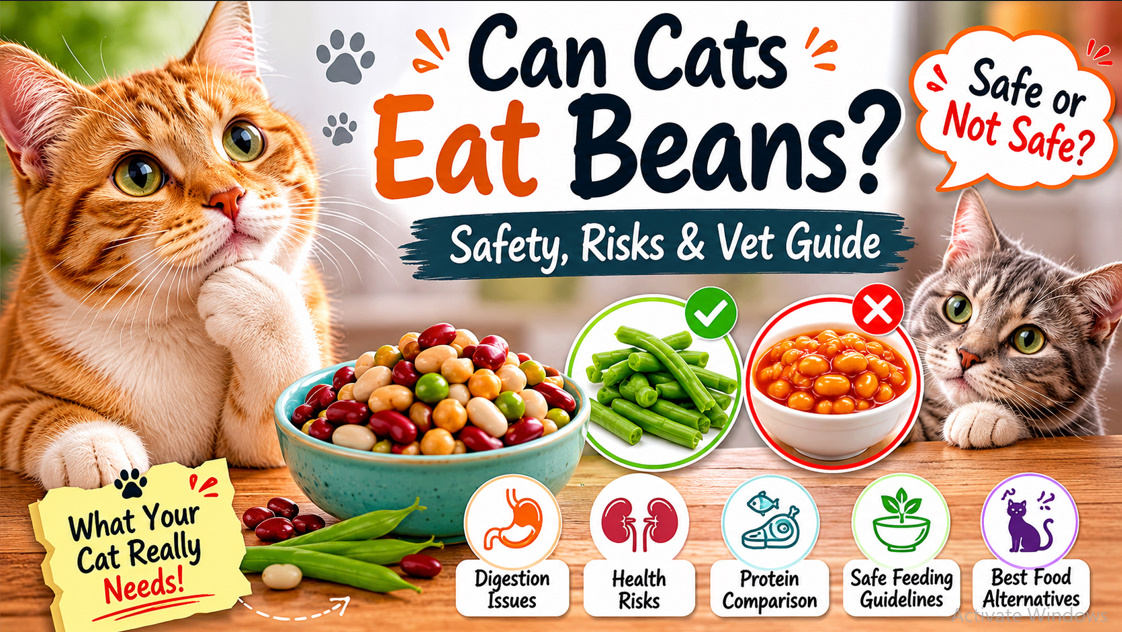
Cats are curious eaters, and many owners wonder, can cats eat beans safely? 🫘🐾 While beans are not toxic in small amounts, cats are obligate carnivores and rely mainly on animal protein for health. This guide explains safety, digestion, risks, and better alternatives, helping you make smart, vet-approved dietary choices for your feline friend. 🩺😺
Can Cats Eat Beans? Quick Answer 🐱🫘
Cats can eat small amounts of plain cooked beans occasionally, but beans should never replace a cat’s meat-based diet. As an obligate carnivore, your feline companion requires animal protein, taurine, and essential amino acids for optimal health. While kidney beans, black beans, and pinto beans are generally non-toxic when properly cooked, they offer limited nutritional benefits compared to high-quality cat food. As both a cat owner and veterinary professional, I’ve seen curious cats nibble beans without issues, but moderation remains crucial for digestive health and feline nutrition. 🐾
Quick Facts About Cats and Beans 📝
- 🐱 Cats can eat cooked beans in tiny amounts.
- 🫘 Plain beans are safer than seasoned beans.
- ❌ Raw beans may cause digestive problems.
- 🌶️ Avoid beans cooked with garlic or onions.
- 🥩 Cats need animal protein more than plant protein.
- 🐾 Beans should only be an occasional treat.
- 💧 Cooked beans must be soft and easy to chew.
- ⚠️ Too many beans may upset the stomach.
- 😺 Most cats show little interest in beans.
- 🍽️ Commercial cat food remains the best option.
- 🩺 Consult your veterinarian before dietary changes.
- ❤️ Moderation is the key to safe feeding.
👨⚕️ Veterinary Advice: If you offer beans, serve only a few plain cooked pieces and monitor your cat for digestive discomfort, vomiting, or diarrhea.
Why Cats Are Obligate Carnivores 🥩🐱
Cats evolved as strict carnivores and depend on nutrients found naturally in animal tissues. Unlike humans and dogs, felines cannot efficiently obtain all essential nutrients from plants. Their bodies require taurine, arachidonic acid, vitamin A, and high-quality animal protein for healthy muscles, vision, heart function, and immune support. During my years treating cats, I’ve observed that meat-based diets consistently support better feline health and energy levels than plant-heavy alternatives. 😺🥩
Key Reasons Cats Need Meat 🍖
- 🥩 Cats require animal protein daily.
- ❤️ Taurine is essential for heart health.
- 👀 Meat supports healthy vision.
- 🧬 Cats have unique nutritional requirements.
- 🐾 Plant foods cannot fully meet feline needs.
- 💪 Animal protein builds strong muscles.
- ⚡ Meat provides efficient energy.
- 🧠 Essential amino acids support brain function.
- 🍗 Cats digest meat better than plants.
- 🐱 Felines evolved as natural hunters.
- 🩺 Balanced cat food mimics natural nutrition.
- ✅ Meat should remain the primary food source.
👨⚕️ Veterinary Advice: Always choose nutritionally complete cat food containing quality animal protein as the first ingredient.
Are Beans Safe for Cats? 🫘😺
Most cooked beans are considered non-toxic for cats when served plain and in small quantities. Black beans, kidney beans, navy beans, and pinto beans can be offered occasionally. However, canned beans containing salt, spices, garlic, onions, or preservatives should be avoided. As a cat owner, I once had a patient who experienced mild bloating after eating too many beans, highlighting the importance of portion control and digestive monitoring. 🐾
Bean Safety Facts for Cat Owners 📝
- ✅ Cooked beans are generally safe.
- ❌ Raw beans should never be fed.
- 🌶️ Avoid spicy bean dishes.
- 🧂 Limit sodium-rich canned beans.
- 🧄 Garlic is toxic to cats.
- 🧅 Onions are dangerous for felines.
- 🐱 Small portions are best.
- 🍽️ Plain preparation is essential.
- 💧 Soft cooked beans are easier to digest.
- ⚠️ Watch for digestive upset.
- 🩺 Contact a vet if symptoms appear.
- ❤️ Treat beans as occasional snacks.
👨⚕️ Veterinary Advice: Introduce any new food gradually and discontinue feeding if your cat develops vomiting, diarrhea, or excessive gas.
Nutritional Value of Beans for Cats 🫘📊
Beans contain fiber, plant protein, antioxidants, magnesium, potassium, iron, and folate. While these nutrients benefit humans, cats receive most of their nutritional needs from animal-based ingredients. Fiber from beans may support digestion in some cats, but excessive amounts can cause gastrointestinal discomfort. In my veterinary experience, beans offer supplemental nutrients but should never be viewed as a significant source of feline nutrition. 🐱🥗
Nutrients Found in Beans 🧾
- 🫘 Beans contain dietary fiber.
- 💪 They provide plant protein.
- 🩸 Iron supports healthy blood cells.
- ⚡ Magnesium aids body functions.
- 🍃 Beans contain antioxidants.
- 💧 Potassium supports hydration balance.
- 🧬 Folate contributes to cell health.
- 🥗 Fiber may aid digestion.
- 🐱 Cats gain limited benefits.
- 🍖 Animal foods remain superior.
- ⚠️ Excess fiber may cause issues.
- ✅ Nutritional balance is essential.
👨⚕️ Veterinary Advice: Focus on complete feline nutrition rather than relying on plant-based foods for nutrient supplementation.
Protein in Beans vs Animal Protein 🥩🫘
Although beans contain protein, bean protein differs significantly from animal protein. Cats require specific amino acids, including taurine, that are naturally abundant in meat but lacking in beans. Animal protein is more biologically appropriate and digestible for felines. Throughout my veterinary career, cats consuming high-quality animal protein diets consistently displayed healthier coats, stronger muscles, and better overall wellness than those receiving excessive plant proteins. 🐾
Bean Protein vs Meat Protein 📋
- 🥩 Animal protein suits cats best.
- 🫘 Beans provide incomplete protein.
- ❤️ Taurine is missing from beans.
- 💪 Meat supports muscle development.
- 🧬 Essential amino acids come from meat.
- ⚡ Animal protein boosts energy.
- 🐱 Cats digest meat efficiently.
- 🍖 Meat matches feline biology.
- ⚠️ Beans cannot replace meat.
- 🩺 Balanced diets prevent deficiencies.
- ✨ Healthy coats rely on quality protein.
- ✅ Animal protein should dominate meals.
👨⚕️ Veterinary Advice: Choose cat foods rich in chicken, turkey, fish, or other animal proteins to meet your cat’s biological requirements.
Why Cats Struggle to Digest Beans 🤔🫘
Cats possess digestive systems designed primarily for processing meat rather than high-fiber plant foods. Beans contain complex carbohydrates and fiber that can lead to bloating, gas, stomach discomfort, or diarrhea when consumed excessively. I frequently advise cat owners that digestive sensitivity varies among individual cats. Some tolerate tiny portions well, while others develop gastrointestinal upset after only a few beans. Monitoring your cat’s response is essential. 🐱💨
Digestive Challenges of Beans 📝
- 🐱 Cats digest meat more easily.
- 🫘 Beans contain complex carbohydrates.
- 💨 Gas is a common side effect.
- ⚠️ Bloating may occur.
- 🤢 Some cats experience nausea.
- 🚽 Diarrhea can develop.
- 🍽️ Overfeeding increases risks.
- 🧬 Feline digestion differs from humans.
- 🥩 Meat remains easier to process.
- 🩺 Digestive tolerance varies by cat.
- 👀 Monitor reactions carefully.
- ✅ Feed only small amounts.
👨⚕️ Veterinary Advice: If your cat experiences digestive upset after eating beans, stop feeding them and return to a balanced feline diet recommended by your veterinarian.
Can Beans Cause Gas and Digestive Problems? 💨🐱
Beans can easily cause gas, bloating, and digestive discomfort in cats because their feline digestive system is not designed for high-fiber plant foods. In my veterinary experience, even small portions of beans can lead to mild gastrointestinal upset in sensitive cats, especially when their gut microbiome is unaccustomed to plant-based carbohydrates and fiber intake. 🫘😿
Digestive Effects of Beans in Cats 🐾
- 💨 Beans may cause gas in cats.
- 🤢 Some cats show mild nausea.
- 🚽 Diarrhea can occur after overeating.
- 🐱 Cats lack plant-digesting enzymes.
- 🫘 Fiber overload stresses the gut.
- ⚠️ Sensitive stomach cats react faster.
- 🍽️ Portion size affects digestion greatly.
- 🧬 Cat gut microbiome is meat-based.
- 🥩 Meat is easier to digest.
- 😿 Overfeeding leads to bloating.
- 🩺 Monitor stool changes carefully.
- ❤️ Always feed in moderation only.
👨⚕️ Veterinary Advice: I once treated a young indoor cat with severe gas after eating leftover baked beans—switching back to a balanced feline diet quickly restored normal digestion.
Health Risks of Feeding Beans to Cats ⚠️🐱
Feeding beans regularly to cats may lead to nutritional imbalance, digestive stress, and potential exposure to harmful ingredients if the beans are seasoned. As an obligate carnivore, a cat’s body depends on animal protein, and replacing meat with beans can weaken long-term feline health, immune response, and energy levels according to clinical veterinary observations. 🫘🥩
Health Risks Overview 📝
- ⚠️ Beans lack complete feline nutrition.
- 🥩 Protein deficiency may develop.
- 🐱 Cats require taurine from meat.
- 🍽️ Excess beans disrupt diet balance.
- 💪 Weak muscles may result.
- 🧠 Nutrient gaps affect brain health.
- 💔 Heart issues linked to taurine loss.
- 🧬 Plant diet is incomplete for cats.
- 🚫 Seasoned beans may be toxic.
- 🧄 Garlic and onion are dangerous.
- 🩺 Long-term feeding is not safe.
- ❤️ Meat-based diet is essential.
👨⚕️ Veterinary Advice: I’ve seen cats develop dull coats and low energy when owners replaced treats with beans—returning to high-protein cat food restored their vitality.
Are Canned, Baked, and Refried Beans Safe? 🫘🥫
Canned, baked, and refried beans are generally not safe for cats due to added salt, sugar, spices, and harmful ingredients like garlic or onion. Even small amounts can upset a cat’s digestive system. From my veterinary practice, most complications arise from processed human foods rather than plain cooked beans offered accidentally. 🐱⚠️
Safety Differences 📝
- 🥫 Canned beans contain high sodium.
- 🍯 Baked beans may include sugar.
- 🧄 Refried beans often have spices.
- ❌ Garlic and onion are toxic.
- 🐱 Cats need plain food only.
- 💧 Excess salt harms kidneys.
- 🚽 Digestive upset is common risk.
- 🥩 Cats are not plant eaters.
- ⚠️ Processed foods increase danger.
- 🍽️ Homemade plain beans are safer.
- 🩺 Avoid feeding canned varieties.
- ❤️ Stick to cat-safe diets.
👨⚕️ Veterinary Advice: I once treated a cat with dehydration after eating canned baked beans—hydration therapy and diet correction resolved the issue quickly.
Can Cats Eat Chickpeas, Lentils, and Green Beans? 🫘🌱
Cats may occasionally nibble chickpeas, lentils, or green beans, but these should never replace animal-based nutrition. Green beans are the safest option when plain and cooked, while chickpeas and lentils may cause more gas. In feline nutrition, these legumes are considered non-essential and should only be treated as rare snacks under supervision. 🐱🥗
Legume Comparison 📝
- 🟢 Green beans are safest option.
- 🫘 Chickpeas may cause gas.
- 🌱 Lentils contain plant protein only.
- 🐱 Cats need meat protein.
- ⚠️ Excess legumes upset stomach.
- 🍽️ Always serve plain and cooked.
- 💨 Gas may occur quickly.
- 🧬 Limited nutritional value for cats.
- 🥩 Meat remains primary food source.
- 🩺 Monitor digestive response closely.
- ❤️ Treat as rare snacks only.
- 😺 Not part of regular diet.
👨⚕️ Veterinary Advice: In my experience, green beans in tiny amounts are the least problematic, but I still recommend prioritizing balanced feline food over legumes.
How Much Bean Can a Cat Safely Eat? 🐱🫘
A cat should only eat a very small amount of plain cooked beans occasionally, ideally no more than a teaspoon-sized portion. Beans should never be a regular part of a cat’s diet. From my clinical practice, safe feeding depends on individual tolerance, but overfeeding quickly leads to gastrointestinal issues and nutrient imbalance. 🍽️🐾
Safe Feeding Guidelines 📝
- 🥄 Only a small teaspoon portion.
- 🐱 Occasional treat, not daily food.
- 🫘 Must be plain and cooked.
- 🚫 No seasoning allowed.
- 💨 Watch for gas symptoms.
- 🤢 Stop if vomiting occurs.
- 🍽️ Never replace main diet.
- 🥩 Meat-based food is priority.
- ⚠️ Overfeeding causes digestive upset.
- 🧬 Cats lack plant digestion ability.
- 🩺 Introduce slowly if needed.
- ❤️ Always prioritize feline nutrition.
👨⚕️ Veterinary Advice: I usually advise cat owners to avoid beans entirely, but if given, strict portion control is essential for preventing digestive stress.
Healthy Alternatives to Beans for Cats 🥩🐱
Instead of beans, cats should be offered high-quality animal-based treats such as boiled chicken, turkey, fish, or specially formulated cat treats. These options support feline nutritional needs, including taurine and essential amino acids. In my experience as a veterinarian and cat owner, meat-based treats consistently improve energy, coat health, and digestive stability. 🍗🐟
Better Food Alternatives 📝
- 🍗 Boiled chicken is ideal treat.
- 🐟 Fish provides essential nutrients.
- 🥩 Turkey supports muscle health.
- 🐱 Cat treats are specially balanced.
- ❤️ Animal protein is highly digestible.
- ⚡ Boosts natural energy levels.
- 🧬 Supports taurine requirements.
- 🧠 Helps brain and heart health.
- 🚫 Avoid plant-based replacements.
- 🍽️ Choose vet-approved snacks only.
- 🩺 Safer than beans for cats.
- 😺 Supports long-term feline wellness.
👨⚕️ Veterinary Advice: In my clinic, switching bean treats to lean boiled meat consistently improved coat shine, digestion, and overall feline behavior within weeks.
Conclusion
In conclusion, beans are not harmful in tiny, plain cooked amounts, but they offer little nutritional value for cats 🫘🐱. As a veterinary expert, I always recommend prioritizing meat-based diets for proper feline health, digestion, and energy. Occasional beans are okay, but they should never replace balanced cat food or essential animal protein in your cat’s daily nutrition plan. 🩺❤️